)
Investing in nuclear energy stocks: How exposure to nuclear power and uranium works
Valuable insights
- The renewed interest in nuclear power is driven by electrification and rising global energy demand.
- The uranium market is shaped by geopolitics, with growing demand but limited uranium production.
- A fund that directly owns physical uranium is not allowed under Swedish regulation.
- Exposure to uranium therefore happens indirectly through companies involved in the nuclear fuel cycle.
- In practice, investing in uranium means investing in nuclear energy through equities, including producers, fuel-cycle companies, and nuclear technology firms.
Investing in nuclear energy stocks through a thematic fund can provide broad and diversified exposure.
Nuclear power in transition: current situation and future development
Nuclear power is entering a period of global change. Electrification, digitalisation, and stricter climate targets are pushing many countries to rethink their future energy mix. Today, more than 440 nuclear reactors are operating worldwide, and over 170 additional projects are planned.
At the same time, technology is evolving quickly. Small modular reactors (SMRs) make it possible to build smaller and more flexible facilities. These can be placed in locations where traditional reactors aren’t practical. This development expands the role of nuclear power in energy systems that aim to reduce emissions and secure stable electricity supply. These trends are one reason why many investors are looking more closely at nuclear energy stocks.
On the supply side, development has been limited for many years. Low uranium prices led to mine closures and few new projects. In addition, opening or restarting a uranium mine often takes more than a decade.
Geopolitics is also reshaping the market. The United States and Europe are trying to reduce their reliance on Russian enrichment and conversion services—areas that have long been dominated by only a few players. Together, these factors may contribute to tighter uranium supply.
Because of this changing landscape, interest in nuclear stocks has grown as investors seek exposure to companies that support the nuclear fuel cycle. In this global context, Sweden has also started reviewing its regulatory framework for uranium mining. The reason is that a less predictable global supply makes long-term access to nuclear fuel more important.
Any potential future projects remain far away and would require extensive environmental review. Still, the regulatory discussion shows how the role of nuclear power is evolving. Secure access to raw materials is becoming a key part of the energy transition.
This development is one reason some investors are reconsidering stocks in nuclear energy and companies connected to uranium and nuclear infrastructure.
How the uranium market works
Historically, uranium has come from two main sources. The first is active mining production. The second is secondary supply created when material from Cold War disarmament programs was converted into nuclear fuel.
Since these secondary supplies have declined sharply, the market today depends much more on primary mining production.
At the same time, processing and enrichment are controlled by a small number of specialised companies. This makes the value chain more sensitive to geopolitics than many other commodity markets.
Because of these structural features, investors often gain exposure to the sector through nuclear power companies stocks and other nuclear energy stocks involved in mining, processing, or reactor technology.

Key risk factors in the uranium market
The uranium market involves several types of risk that affect companies in the nuclear fuel cycle, and therefore investors who gain exposure through nuclear stocks.
Examples include:
- Political and energy policy decisions. Changes in safety rules, licensing requirements, or national energy strategies can affect uranium-related companies. This is important to consider when investing in nuclear energy stocks.
- Uranium price volatility. Because the spot market for uranium is relatively small, even modest changes in supply or demand can lead to large price swings.
- Operational leverage in mining companies. Uranium producers often have high fixed costs. As a result, changes in energy prices or input costs can strongly affect profitability and investment decisions.
- Geopolitical trade flows and restrictions. Key parts of the nuclear fuel cycle (such as conversion and enrichment) are concentrated in only a few countries. This makes the market vulnerable to sanctions, export restrictions, and diplomatic tensions.
Why there is no uranium fund in Sweden
A typical Swedish UCITS fund cannot buy and store uranium as a physical commodity. Fund regulations are designed for equities and other financial securities, while uranium is a heavily regulated material that requires special permits and storage solutions.
Even if such a fund were attempted, it would be difficult to manage in a simple and secure way.
For this reason, what investors often call a “uranium fund” usually means a fund that owns shares in companies involved in uranium mining or nuclear energy. In other words, the fund invests in nuclear energy stocks rather than the raw material itself.
Outside the EU, however, there are some structures that provide exposure to physical uranium.
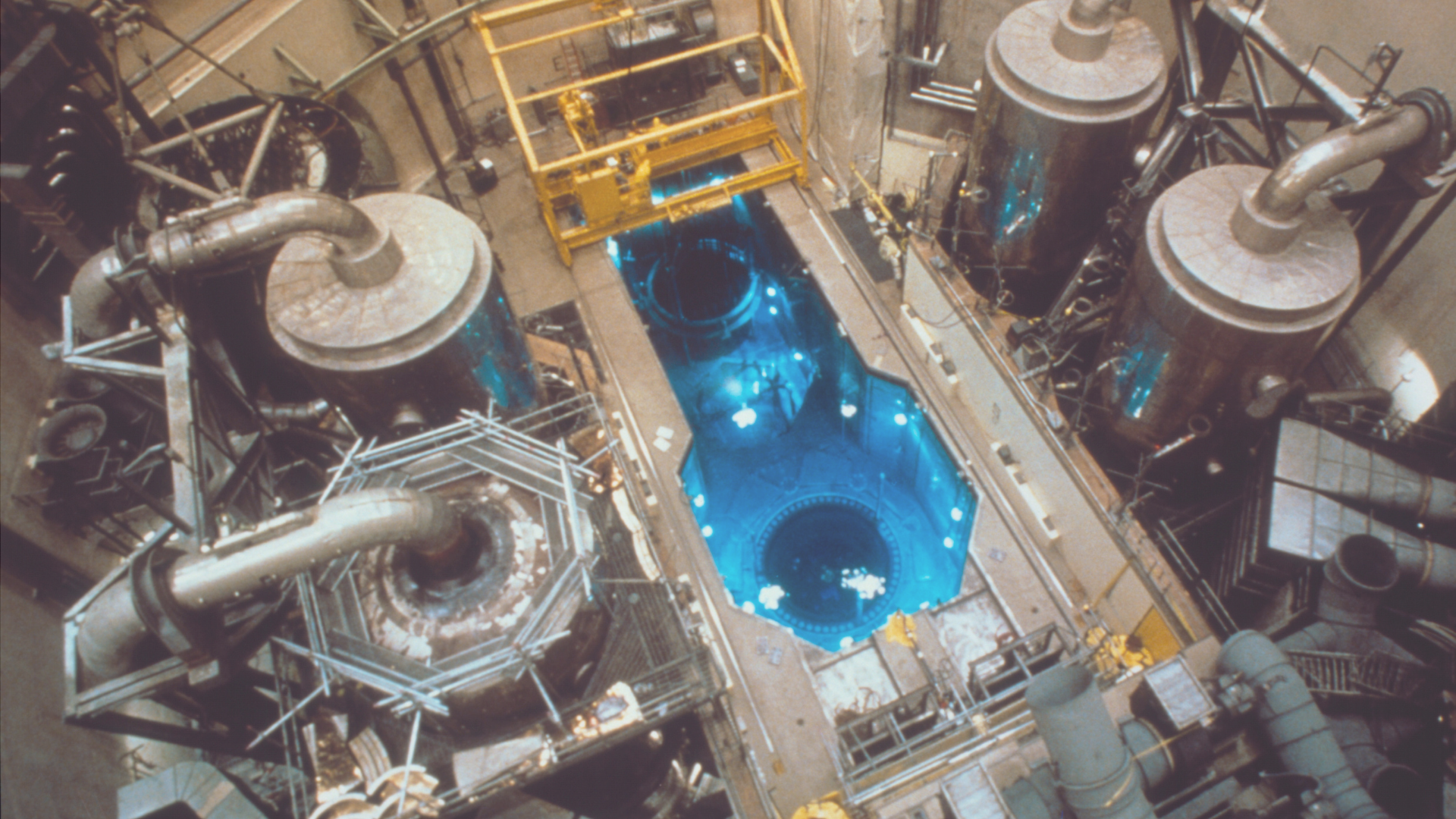
How to get exposure to uranium mining & invest in nuclear energy
Most investors gain exposure to the nuclear sector through companies that operate in different parts of the nuclear fuel cycle. These firms, in turn, form the industrial backbone of the value chain behind uranium.
Examples include:
- Uranium producers
- Exploration companies
- Conversion and enrichment companies
- Nuclear technology and service providers
Internationally, this is the most common investment model. Investors gain exposure through nuclear stocks (the companies involved in the nuclear fuel cycle) rather than through direct ownership of uranium.
In practice, the link to uranium prices comes through corporate earnings and operational performance.
Investing in nuclear energy stocks through a fund
Investments in uranium- and nuclear-related companies often take place through thematic equity funds or ETFs. This is because a Swedish UCITS fund cannot normally function as a “pure” uranium fund that owns uranium directly.
Instead, these funds collect companies influenced by the nuclear industry—such as producers, suppliers, and technology providers. This approach can offer broader exposure compared with investing in a single company. The value is spread across multiple firms in the sector.
For investors seeking a uranium fund, the concept usually refers to a portfolio of stocks in nuclear energy that operate within the nuclear fuel cycle.
Key points to remember:
There is no fund in Sweden that can directly own uranium, and there is also no fund that is exclusively exposed to uranium companies. As a result, a true uranium fund does not exist in the Swedish market.
When investors search for ways to invest in uranium, they are usually referring to a commodity-focused or thematic equity fund that provides indirect exposure through nuclear stocks involved in mining, processing, or nuclear technology.
In Sweden, equity funds such as AuAg Essential Metals focus on metals and minerals used in the global energy transition. This means the fund may include companies connected to the nuclear fuel cycle. The portfolio can include exposure to metals such as uranium, copper, lithium, and rare earth elements. The exposure comes from company operations rather than direct ownership of uranium.
Funds such as AuAg Precious Core focus more directly on electrification and invest in nuclear power through uranium mining companies and . These investments often include global stocks in nuclear energy.
As always, past performance does not guarantee future results. Exposure to uranium is cyclical and influenced by factors that can be difficult to predict. Diversification therefore plays an important role in risk management.
FAQ – Investing in nuclear energy stocks
Nuclear energy has attracted growing interest as global energy demand rises and countries look to cut carbon emissions. The need for stable power generation and the electrification of modern economies has led many nations to reconsider nuclear as a key part of their energy mix.
For investors, this opens up opportunities across the entire nuclear fuel cycle — from uranium producers and technology companies to nuclear power plant operators. That said, the sector is sensitive to factors like energy policy, uranium prices, and geopolitics, which can make investments volatile and carry real risk.

)
)
)