Past performance is not a guarantee of future returns. The money invested in the fund may both increase and decrease in value, and it is not certain that you will recover the entire amount invested.

Read more here.
A row of tilted dominoes casts long shadows on a surface, with "AuAg ELEMENTS" text in the corner.
Monthly Letter

October monthly letter | “Falling dominoes"

Elements is AuAg's monthly letter highlighting macroeconomic observations from the previous month. Our focus is on events that impact the investment environment for gold, silver and other essential metals. These observations are presented with images and charts laid out efficiently and concisely.

Au and Ag in the past month

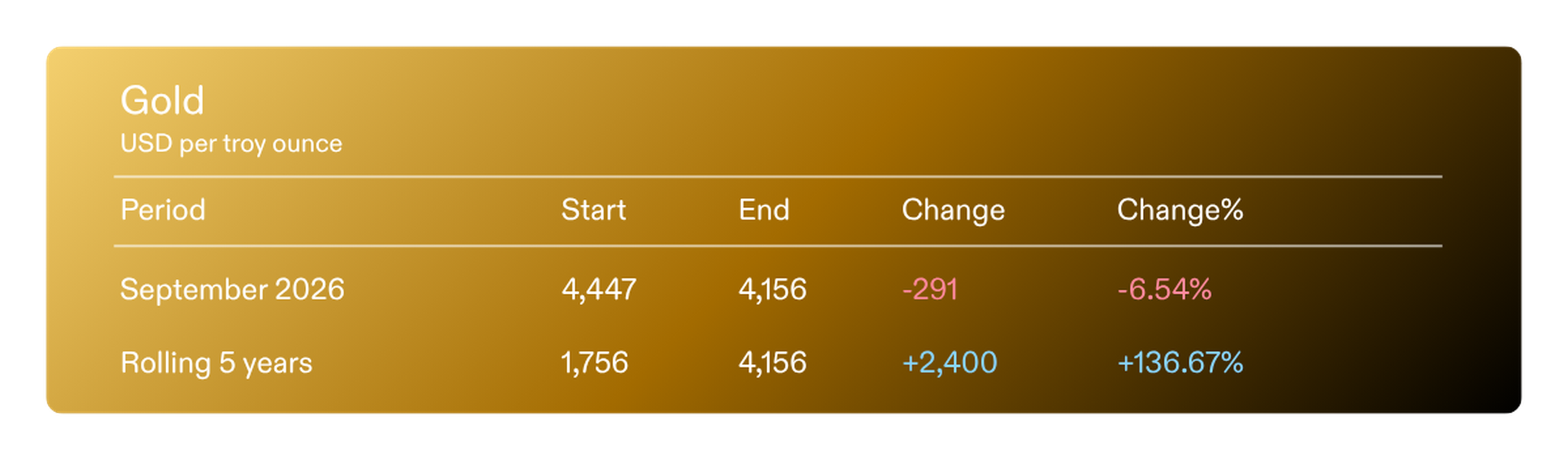
As expected, the market was driven by the rate hikes in the US. Higher interest rates (or expectations of higher rates) normally strengthen the dollar, while gold faces headwinds instead. We know what the interest rate is, but where real inflation stands is harder to say. Both the methods used to measure it and what is being measured keep changing. So the question is whether we really have a positive real interest rate today. On paper it looks that way, but in reality it is doubtful. Massaging the numbers can help in the short term, but in the long run it is reality that decides. A negative real interest rate strengthens gold all the more.

Gold price per troy-ounce (Oz) in USD

Loading widget...

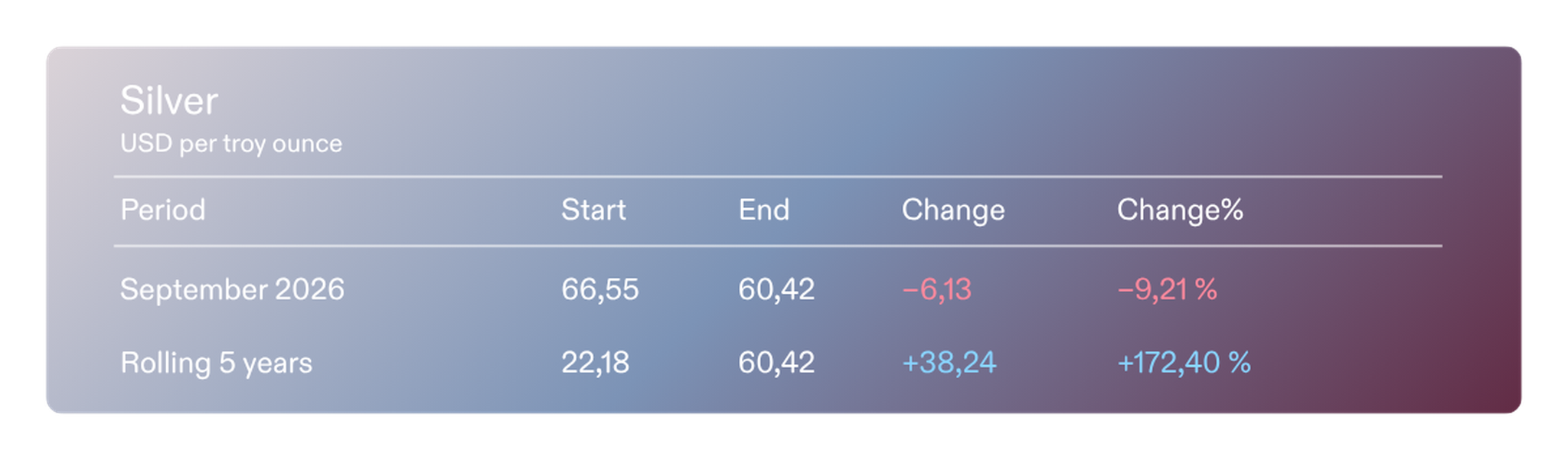
Silver followed gold down and gave back a good part of August’s gains. Once gold picks up speed again, silver will once more be racing towards triple digits.

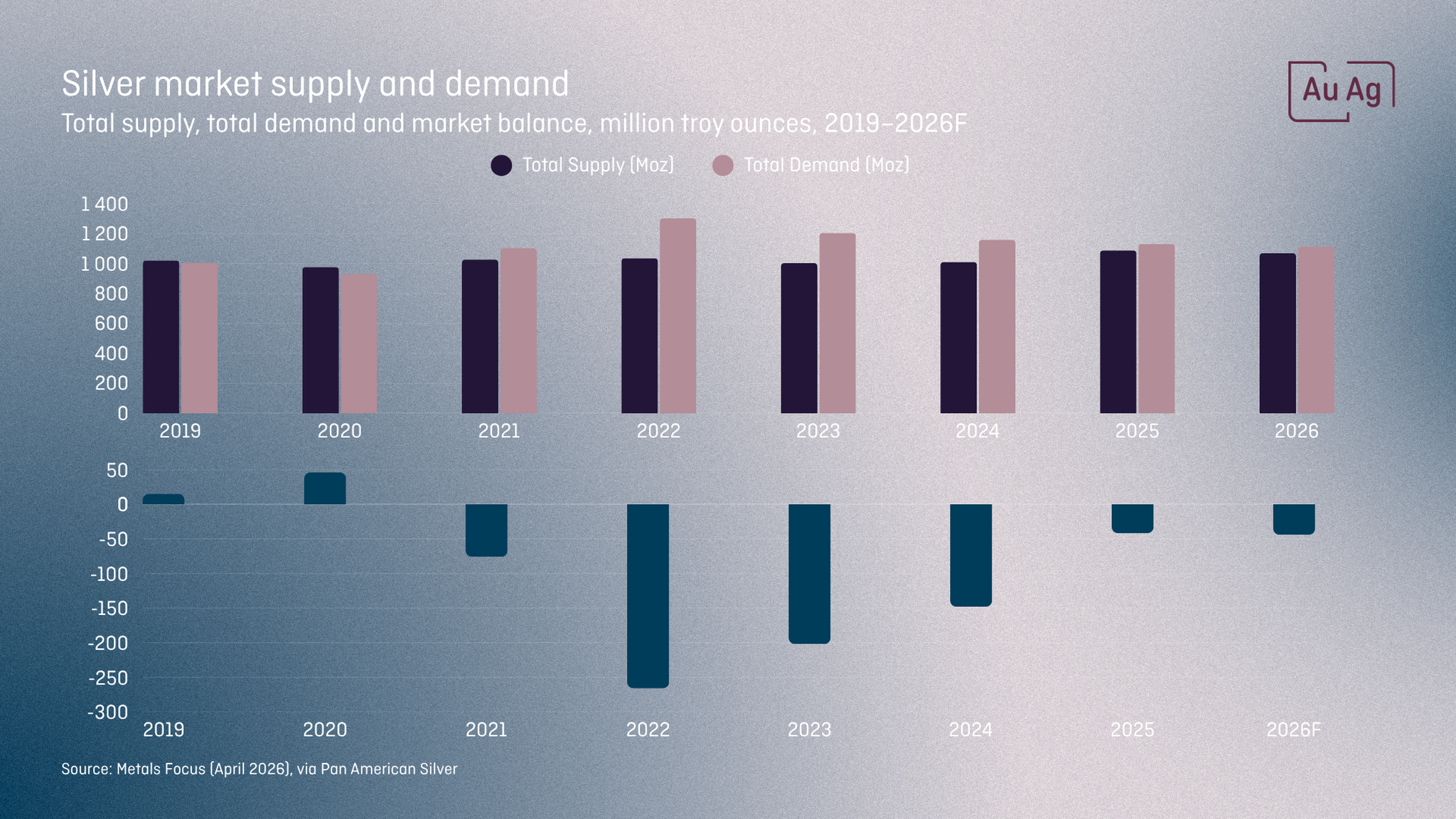
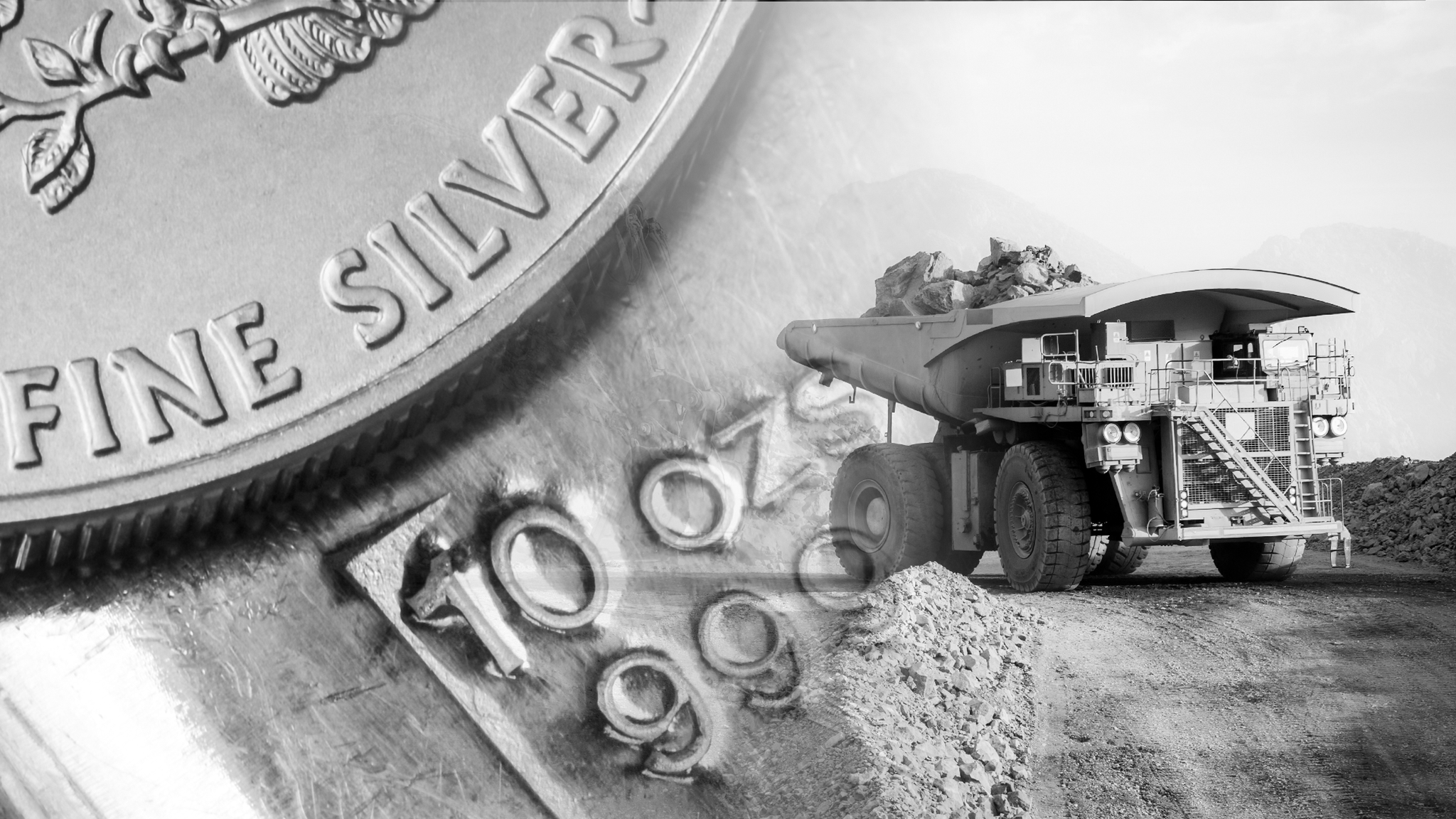
A bonus for silver investors relative to gold is that we could see a future price shock if industry faces a physical shortage of silver bars. Industrial silver bars weigh 1,000 troy ounces (31.1 kg) and are 99.9% pure silver.

Silver price per troy-ounce (Oz) in USD

Loading widget...

Once again the companies showed strength and fell no more than the commodities themselves – and that after August, when the companies rose far more than the commodities. This year, for example, AuAg Silver Bullet is in positive territory even though silver is down for the year.

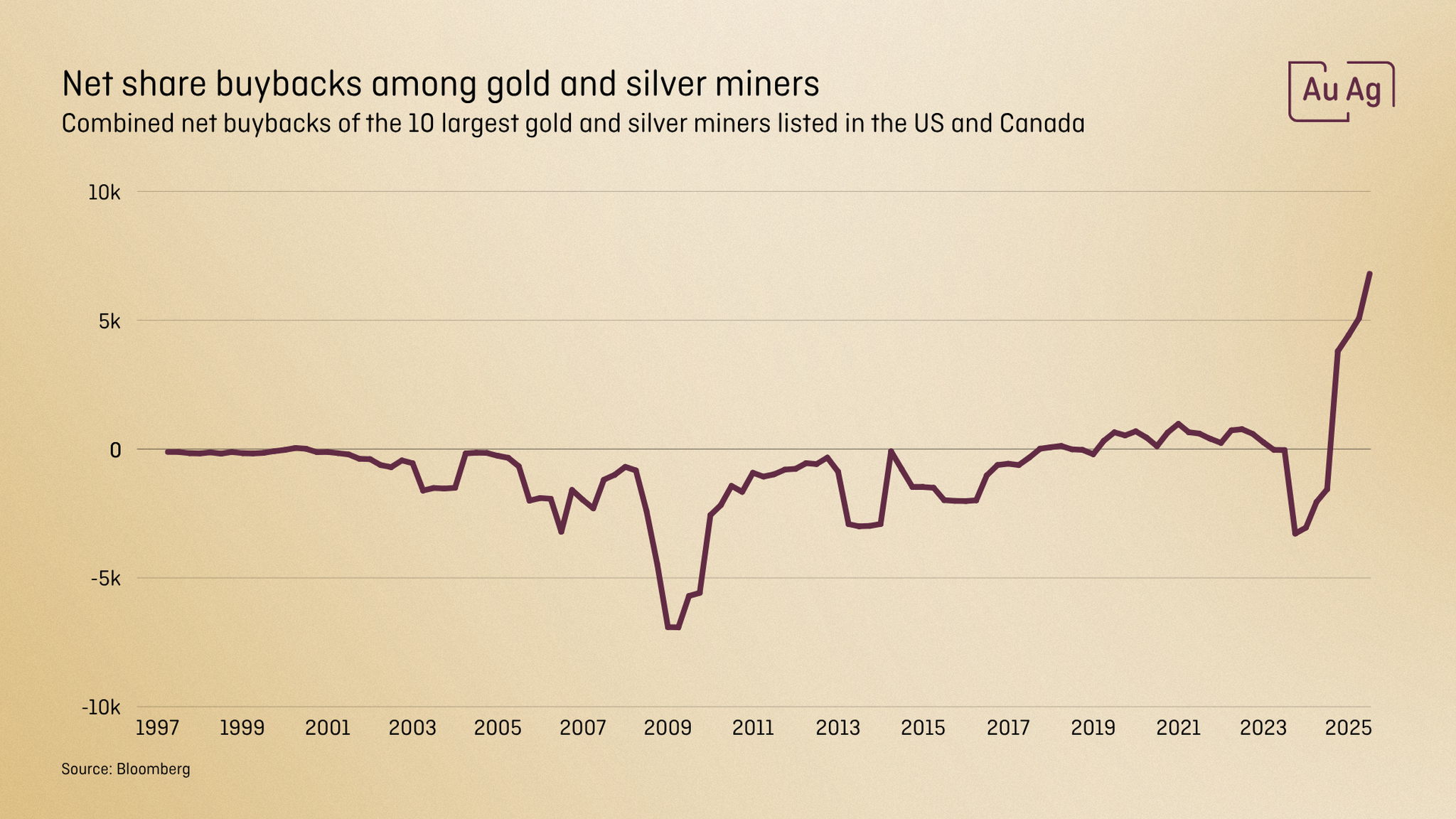
We have written before about the strong cash flows the companies are generating. Now we are also seeing share buybacks really pick up. Fewer shares in the market for the same company value means a higher price per share.

The AuAg funds - Highlights

Like all our funds, AuAg Silver Bullet had a negative month in September. That does not change the fact that the fund has had the highest return of all 1,521 funds on Avanza over three years, and by a wide margin. What we are perhaps most proud of, though, is that AuAg Silver Bullet is the 14th most-owned active fund out of 1,385 on Avanza – and in just under seven years. For that, we have you to thank!

In 2025 the fund delivered a triple-digit return of +163.72%. This year performance has been calmer, but August showed how quickly things can turn, and September showed that this works in both directions. One strength this year is that the fund is in positive territory even though the silver price is down 6.74% year to date.

That bodes well as we enter a period that is usually good for the precious metals. Add to that the debt crisis that is beginning to flare up, and which we believe may soon force stimulus through the printing presses.

ETFs are finally getting more attention in Sweden. But there are pitfalls, namely the costs of trading, such as brokerage fees, spreads and currency exchange, both when buying and selling. For those who trade often, these costs quickly eat up a lower annual fee. Pressing the buy button is certainly quick, but more often than not the day's big news has already been priced in by the market before you get the chance. On top of this, ETF portfolios in smaller sectors are weighted by market capitalisation, which means the largest companies get the most weight, regardless of how well they fit the theme.

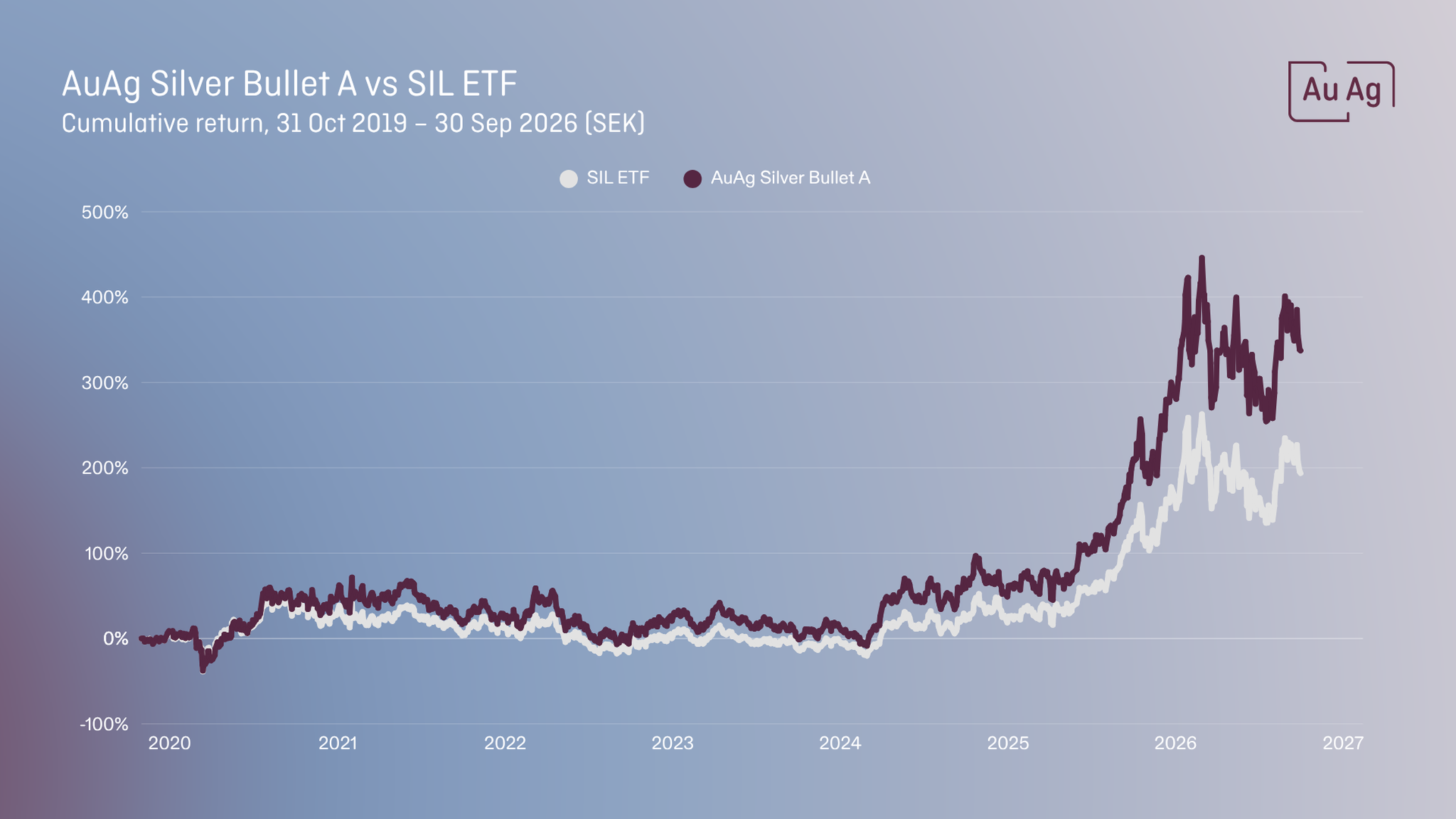
One of our goals is to outperform SIL, the largest ETF for silver mining companies, after costs. The chart shows how this has developed since launch.

Global Outlook with AuAg

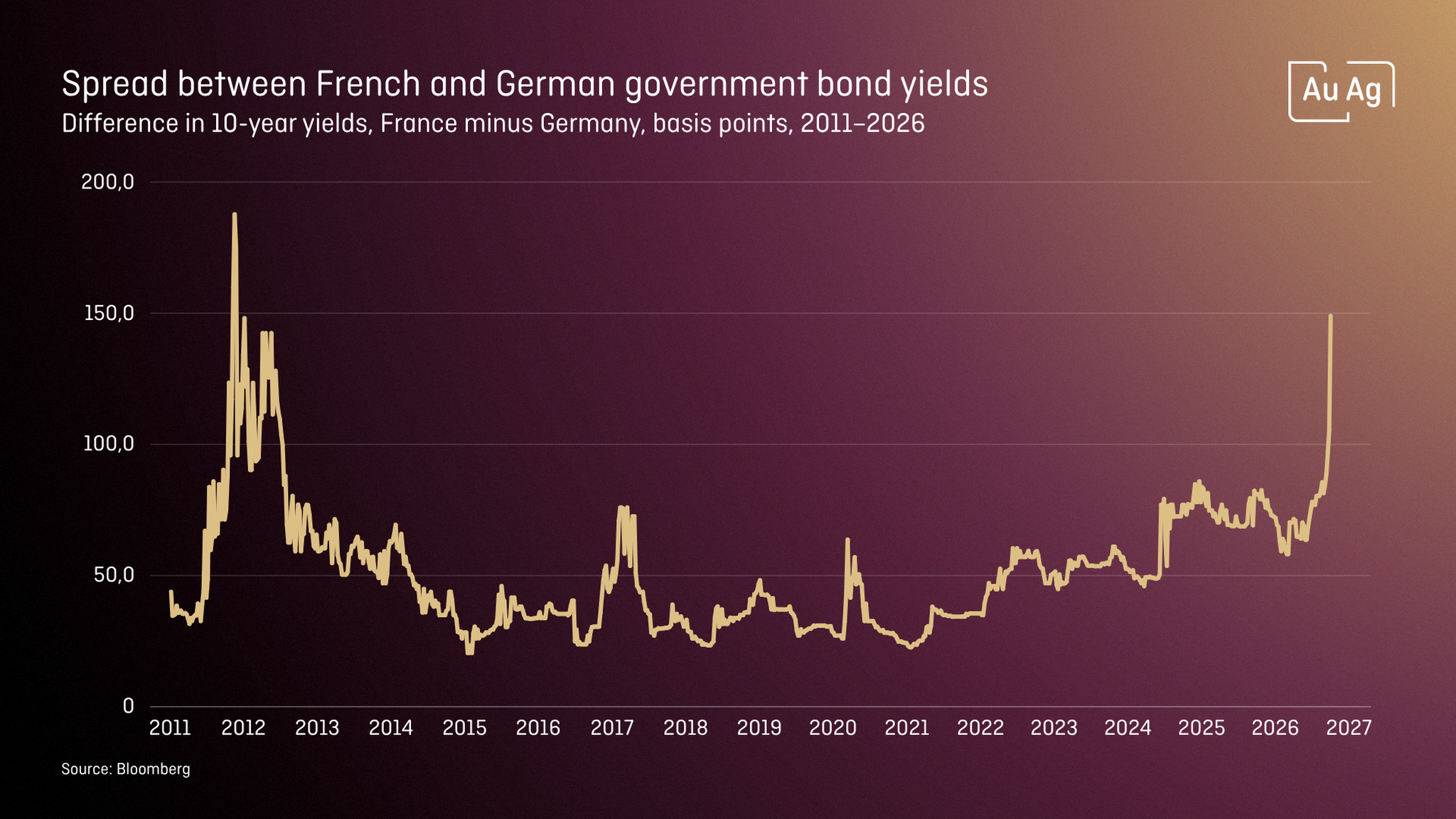
When the IMF comes out and says that the bond market is functioning as it should, it is highly unusual and probably raises more questions than it answers. The risk premium on French government bonds is now at the same level as during the eurozone crisis.

Is this the first domino to fall? Or will it be the UK, Japan or the US that sets off a chain reaction?

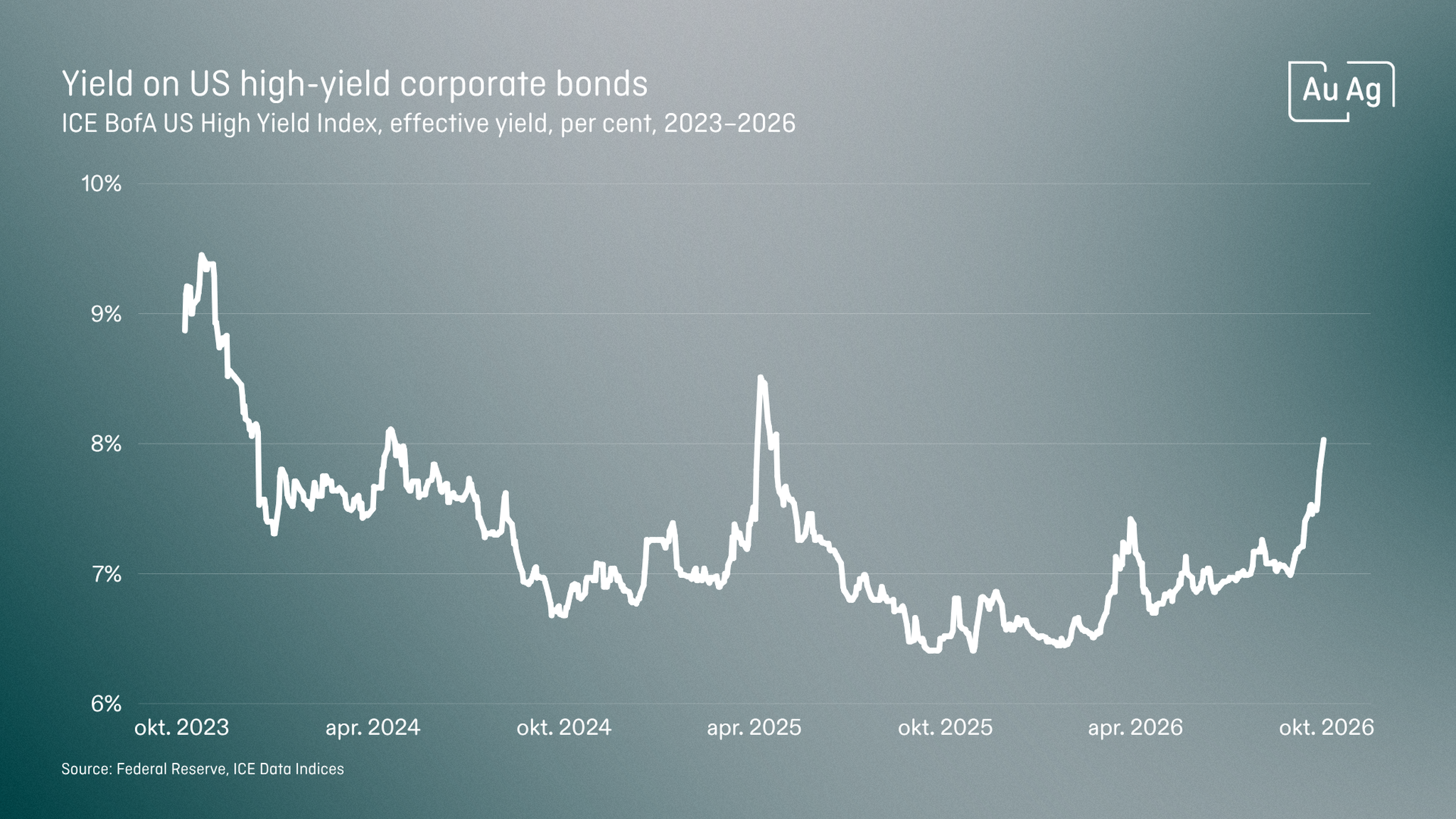
We are also seeing the premium on high-yield bonds edge higher. At the same time, there are everyone’s favourite AI darlings, which have set up an extremely creative web of deals among themselves and are set to raise enormous amounts of debt financing.

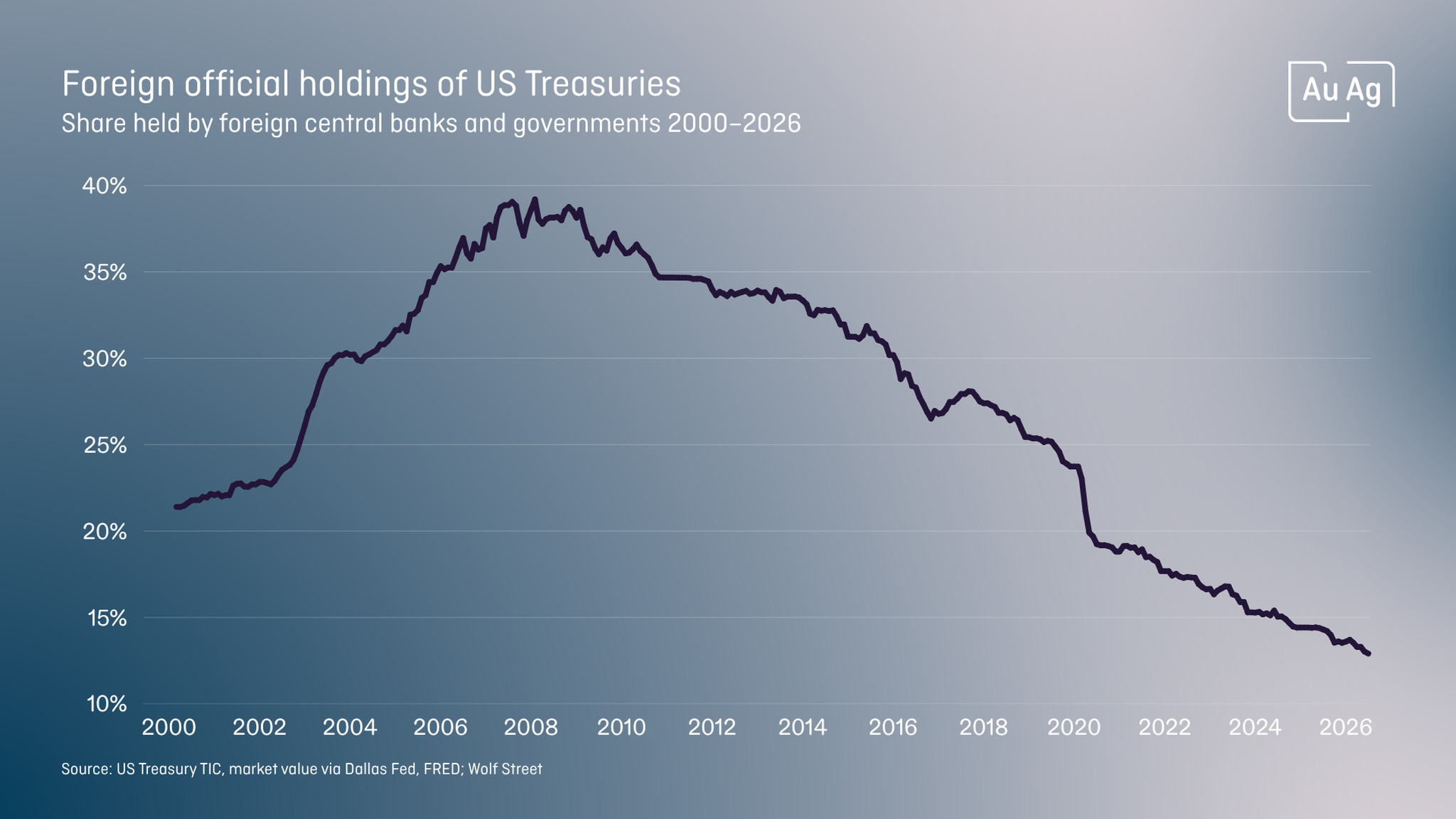
Where will the money come from, and at what price? Non-US central banks continue to reduce their holdings of US Treasuries, most recently joined by Norway’s oil fund. How will the US finance a national debt of more than USD 40 trillion and annual deficits of USD 2 trillion? Who other than the Fed’s printing presses could solve it?

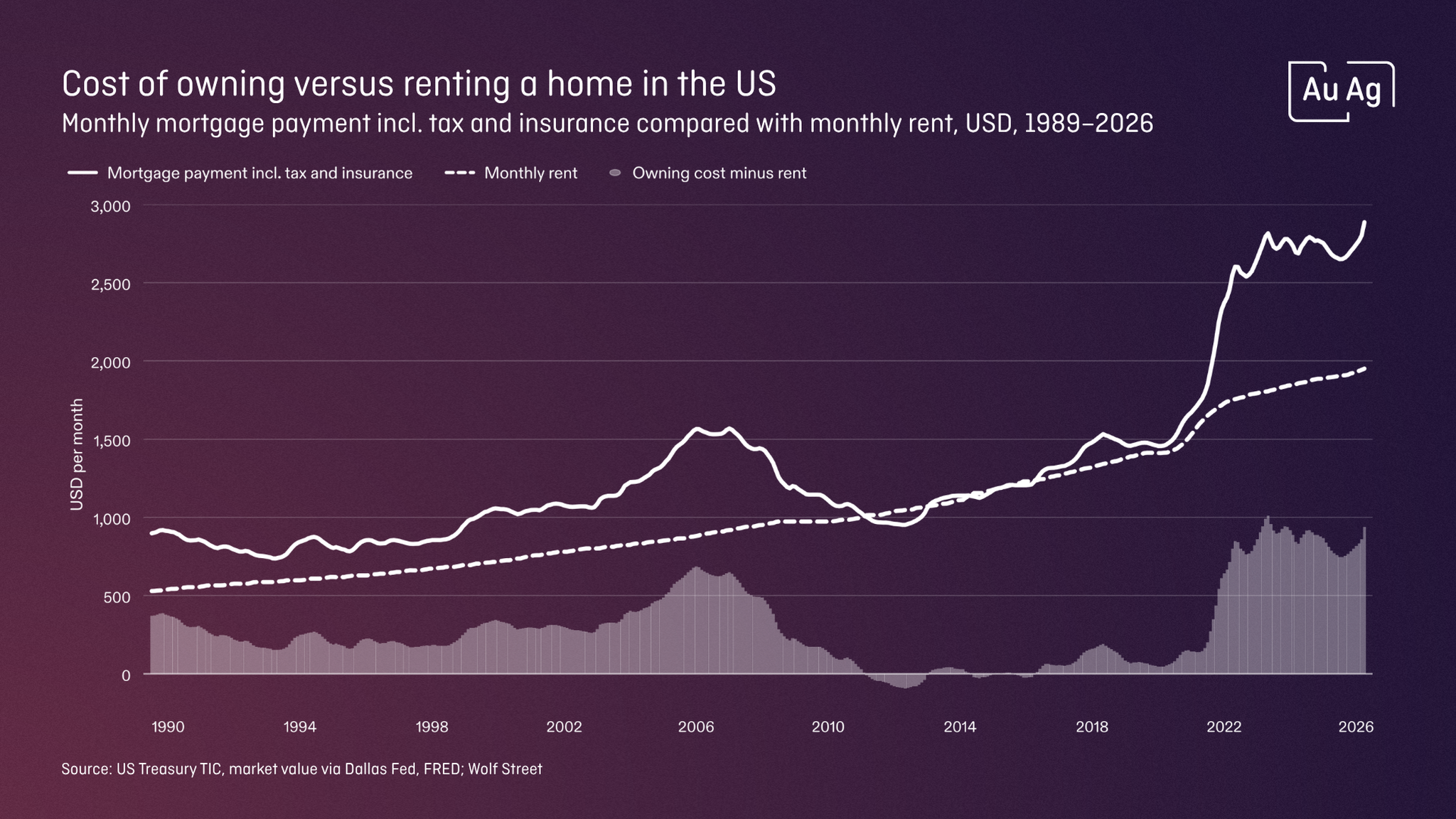
Another domino that is not yet on the radar is the housing market, where the relationship between owning and renting in the US has reached the same levels as during the housing bubble. We also note that several smaller banks in the US and China have run into trouble and been forced to close, as they have struggled to cope with the effects of higher interest rates on their business.

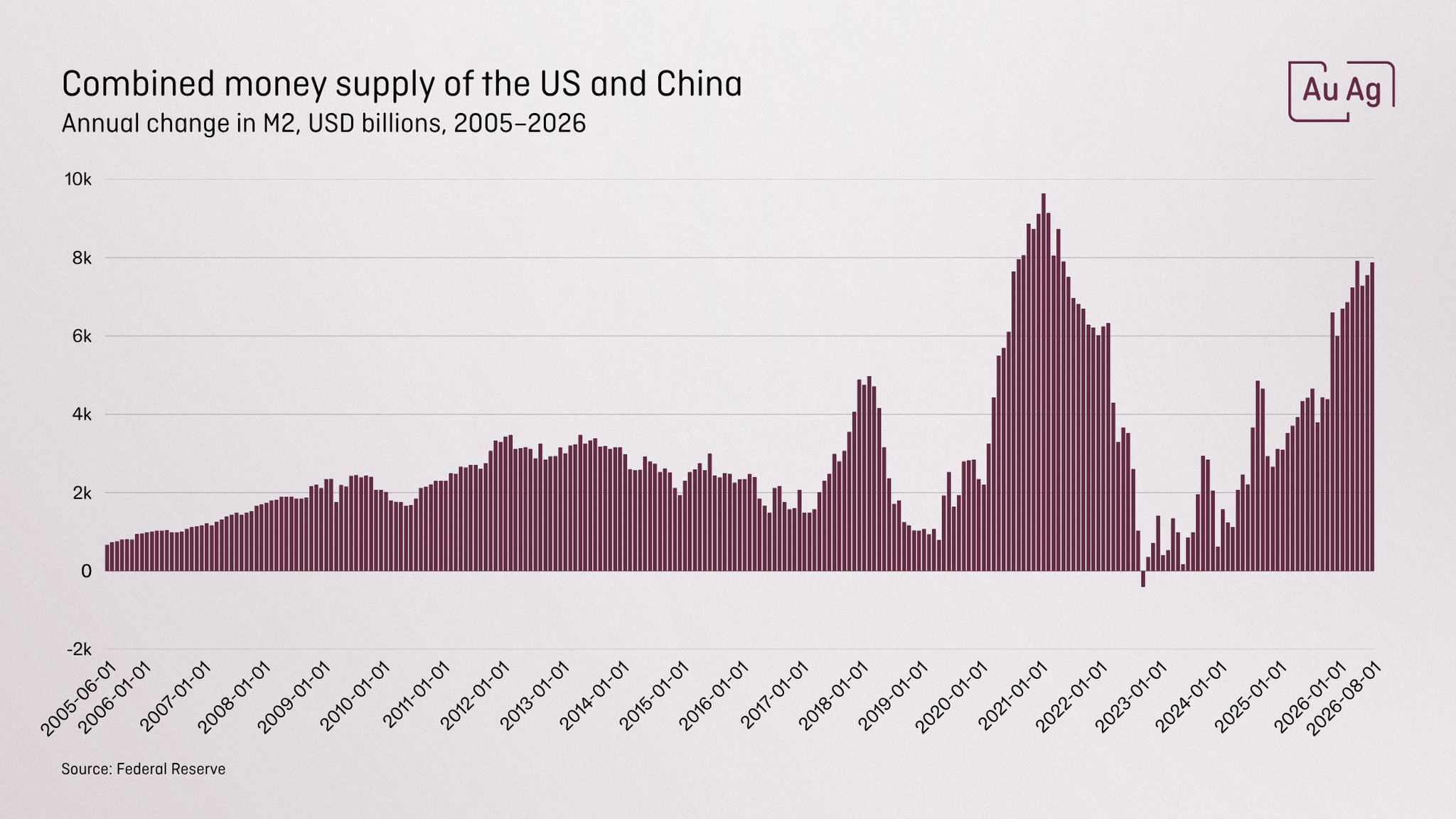
The annual growth rate of the money supply is now on course to exceed that of the Covid stimulus. This is a sign that currencies will be sacrificed to rescue the bond market and to prevent the first dominoes to fall from bringing everything down with them.

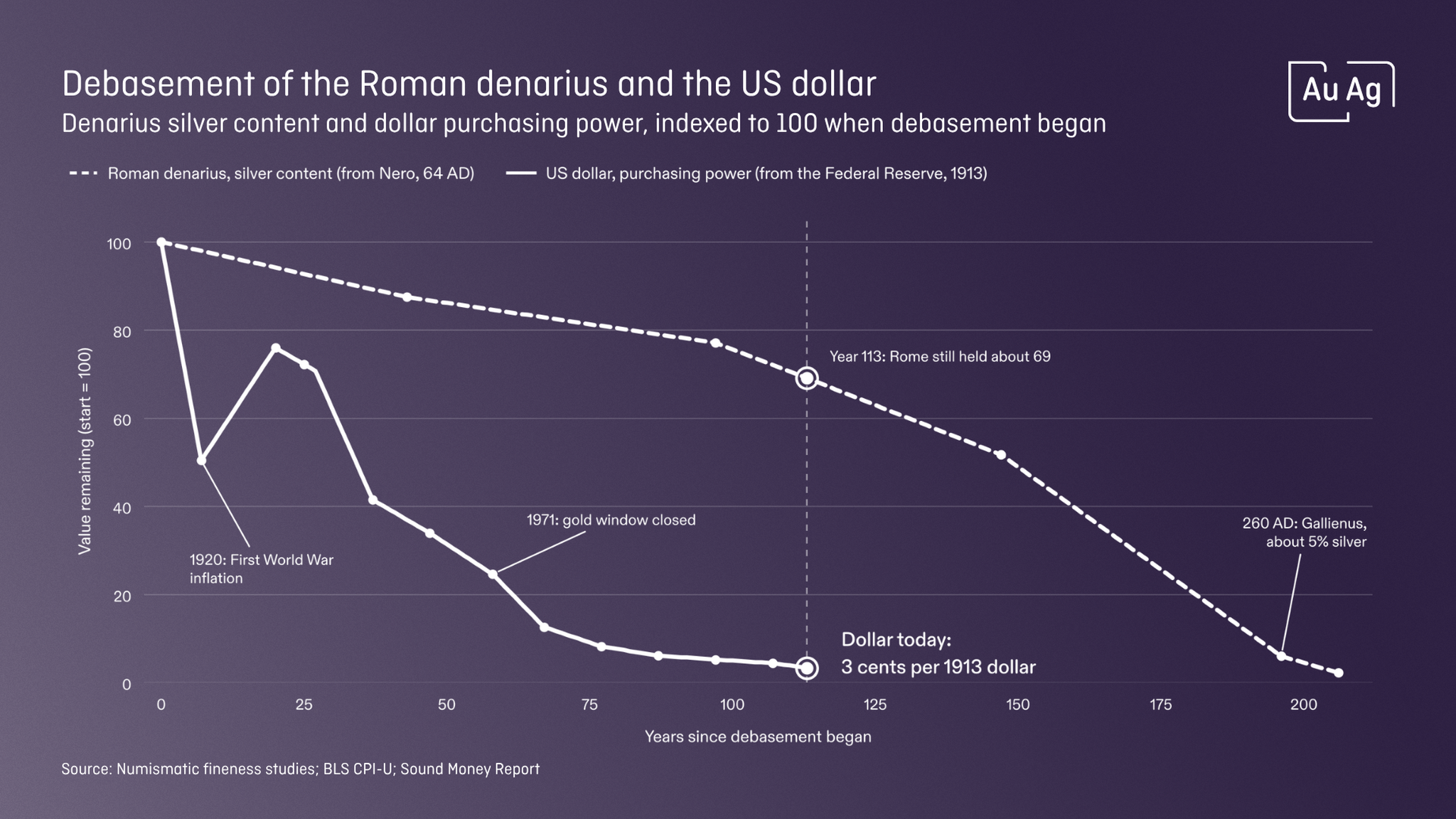
Sacrificing the currency is nothing new – it has been done under every great empire and dynasty. The Roman Empire, for example, mixed copper into its silver coins until they contained only a few per cent silver. China’s Yuan dynasty printed paper money until it lost all its value, and Henry VIII cut the silver content of England’s coins to a third to pay for his wars. Back then, it meant melting down coins or printing notes. In Rome it took a couple of hundred years. Today, new money is created at the push of a button. Technology is not the only thing moving faster these days.

We continue to see ”financial repression”, where inflation runs higher than the interest rate, even after the hikes, resulting in a negative real interest rate – all while everything possible is done to make it look as though inflation is under control and the real interest rate is positive. The US will sacrifice the currency to rescue the bond market. As former Fed Chair Alan Greenspan put it: ”The US can pay any debt it has, because we can always print money to do that.”

Take a look at our event calendar, where you can see where in the world we are on stage. Do try to make it to Nordic Funds & Mines, where you have the chance to meet all of us at AuAg. Free entry.

If you fancy travelling further, we can meet in London too! 29–30 November, with Eric on stage twice on the Monday!

Risk information

This material is marketing communication. The information does not constitute investment advice or a personal recommendation. Investment decisions should be based on the fund’s information brochure and fact sheet, as well as your own considerations. Investments involve risk. Past performance is not a guarantee of future returns. The money invested in the fund may both increase and decrease in value, and it is not certain that you will recover the entire amount invested. Before making an investment decision, you should review the fund’s information brochure and fact sheet.